Solution to sudden shedding of cyclone tube refractory lining in boilers.
The cyclone, also known as a cyclone separator, is a component in circulating fluidized bed boilers that experiences relatively severe wear. It is a device used to separate gas-solid or liquid-solid systems. This separation method primarily relies on the rotational motion generated by the tangential introduction of the airflow, which causes solid particles or liquids with greater inertial centrifugal force to be thrown against the outer wall, thereby achieving separation. With its simple structure, high efficiency, and relatively convenient maintenance, it is an indispensable component of circulating fluidized bed boilers.
The area most prone to severe wear in boiler cyclone tubes is the target zone, located at the intersection of the cyclone's curved surface and the inlet flue. When flue gas begins to rotate, the direction of the material flow is forcibly altered. Due to the high velocity and high ash concentration, wear is highly likely to occur. Furthermore, during the construction of the target zone, if the wear-resistant refractory castable is applied too thickly, significant temperature gradients can easily develop. Excessive thermal shocks can exacerbate cracks in the wear-resistant lining. Repeated cycles of thermal shock, temperature fluctuations, wear, and spalling due to compression can easily lead to large-scale detachment of the refractory castable in the boiler cyclone tube. If the material detachment is not addressed promptly, the detached wear-resistant refractory material inside the cyclone separator can clog the standpipe, thereby affecting the operation of the return feeder.
The detachment of refractory castables in the cyclone tube not only affects the normal operation of the boiler but may also significantly impact the return feeder. In the event of sudden detachment of the castables in the boiler cyclone tube, timely corrective measures should be taken. The specific methods are as follows:
1、Immediately shut down the boiler. Once the boiler temperature drops to ambient levels, inspect and identify the cause of the castable detachment.
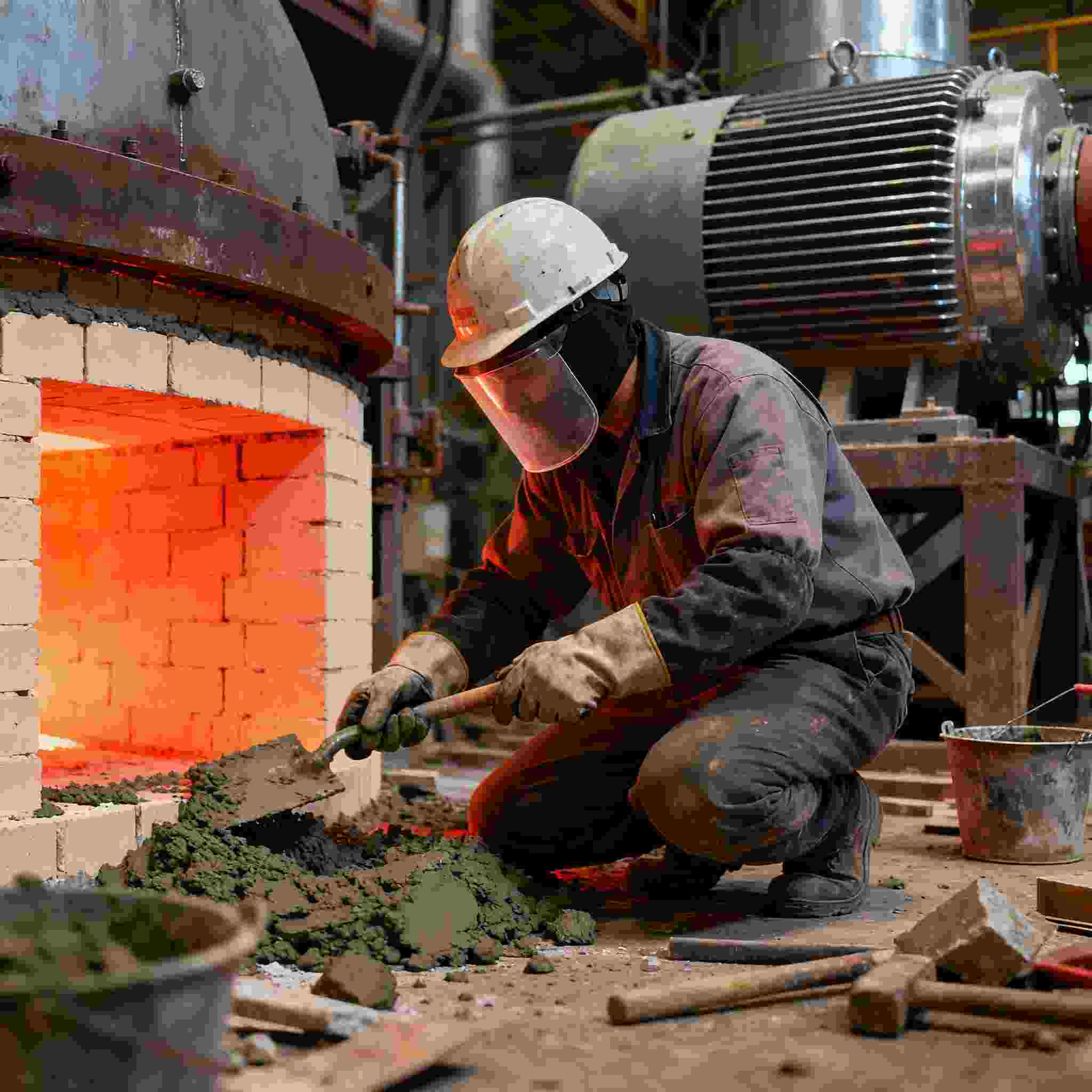
2、If the area of castable detachment in the cyclone tube is relatively small, repair it by excavating the affected area and patching it with the same type of castable.
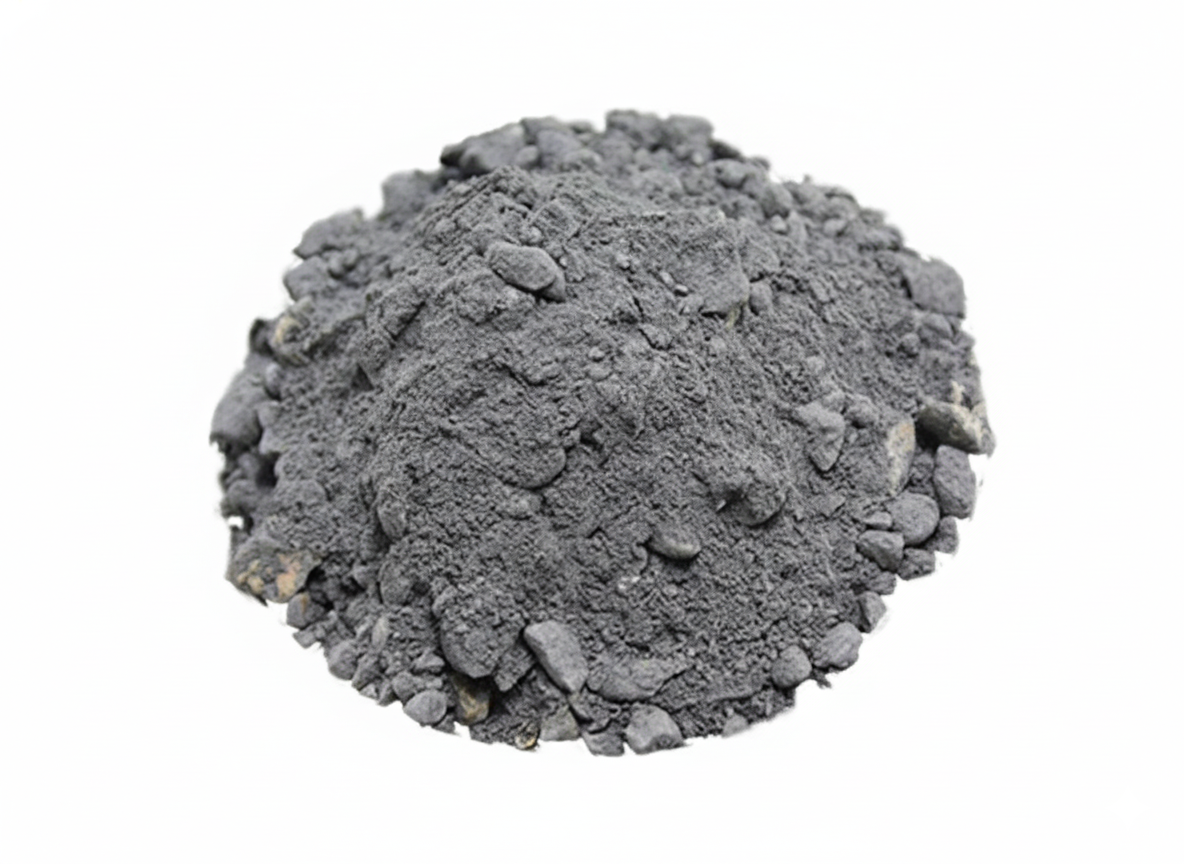
3、If the castable detachment in the cyclone tube covers a large area, remove the loosened castable at the edges by knocking or chipping, and then repair it using the same type of castable. Typically, corundum wear-resistant castable is often used for such repairs. However, it is important to note that corundum wear-resistant castable has relatively poor thermal shock stability, so extra caution must be exercised during procurement.